Wenglor INTT231 Inductive Analysis Module for Extreme Temperature Ranges
Inductive Analysis Module for Extreme Temperature Ranges.

$316.00
Part Number
- INTT231
Highlights...
- INTT231
- By Wenglor
- FREE Shipping on orders of $2,000 or more
Overview
Features
- Interchangeable sensor head
- Minimal mounting clearance thanks to wenglor weproTec
- Long service life at temperatures of up to 482°F
- Switching distance configurable via IO-Link
- Switching Distance: 25 mm
- Use: With INTT220
- Supply Voltage: 10 to 30 V DC
- Supply Voltage with IO-Link: 18 to 30 V DC
- Current Consumption (Ub = 24 V): < 15 mA
- Switching Frequency: 50 Hz
- Temperature Drift: < 10 %
- Analysis module temperature range: 32°F to 158°F
- Number of Switching Outputs: 2
- Switching Output Voltage Drop: < 1.5 V
- Switching Output/Switching Current: 100 mA
- Residual Current Switching Output: < 100 µA
- Short Circuit Protection: yes
- Reverse Polarity Protection: yes
- Overload Protection: yes
- Interface: IO-Link V1.1
- Protection Class: III
- Analysis module material: Stainless steel, V2A (1.4305/303)
- Degree of protection, analysis module: IP65
- Degree of protection for push-pull connector: IP50, IP51*
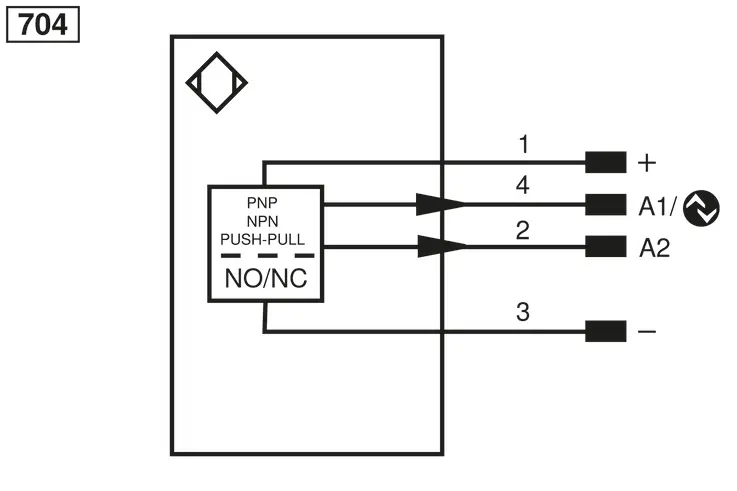
- Connection: M12 × 1; 4-pin
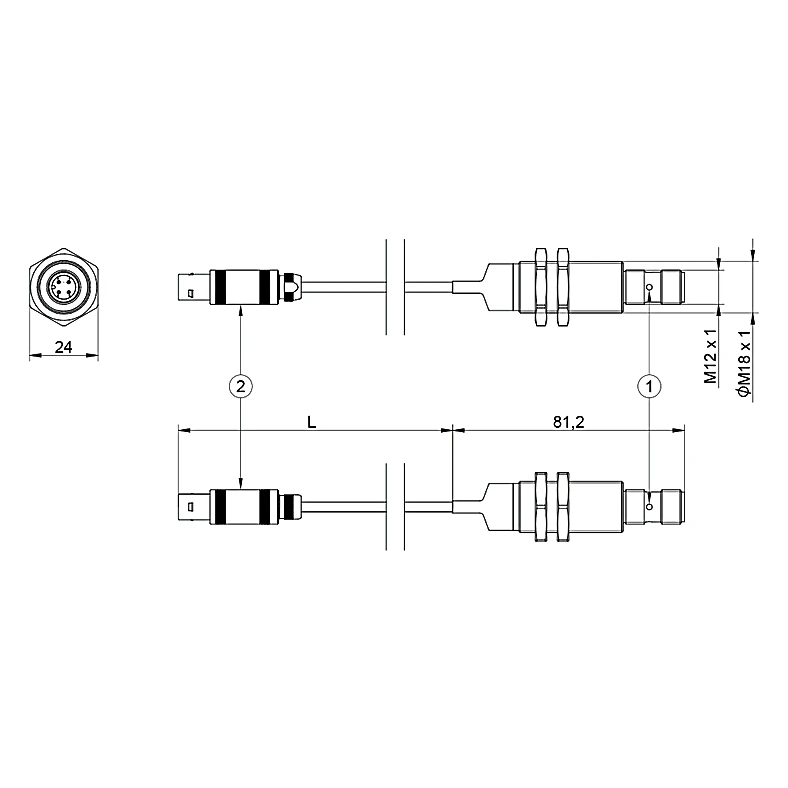
- Cable length (L): 20 m
- Cable Jacket Material: Plastic, PFA
- Outer diameter cable: 3.4 mm
- Bending Radius: > 17 mm
- PWIS-free: yes
- Weight: 898 g
- MTTFd (EN ISO 13849-1): 3,706.54 a
- Scope of delivery: 1 × analysis module, 1 × initial start-up instructions, 1 × MUTTER-M18-E003 hex nut
- Error Indicator: yes
- Programmable switching distance: 15/20/25 mm
- IO-Link: yes
- Error Output: yes
- PNP NO: yes
- Output: Error Output, Push-pull, NPN, PNP
- Circuit: NC, NC+NO, NO
- Complementary Products: IO-Link Master, Inductive sensor head, Software
Description
The high-temperature inductive sensors are designed for use in very hot work environments and consist of a sensor head and a separate analysis module with cable. Long switching distances and a long service life in hot areas ensure maximum system reliability. Interchangeable sensor heads and numerous standard cable lengths with integrated analysis module are available separately. weproTec technology makes it possible to install the sensors directly next to or opposite one another. In addition, IO-Link can be used to individually configure sensor parameters such as switching distances and output functions.
Documents
Spec Sheets
Other
- Wenglor INTT231 Inductive Analysis Module for Extreme Temperature Ranges Connection Diagram-1 (28 KB)
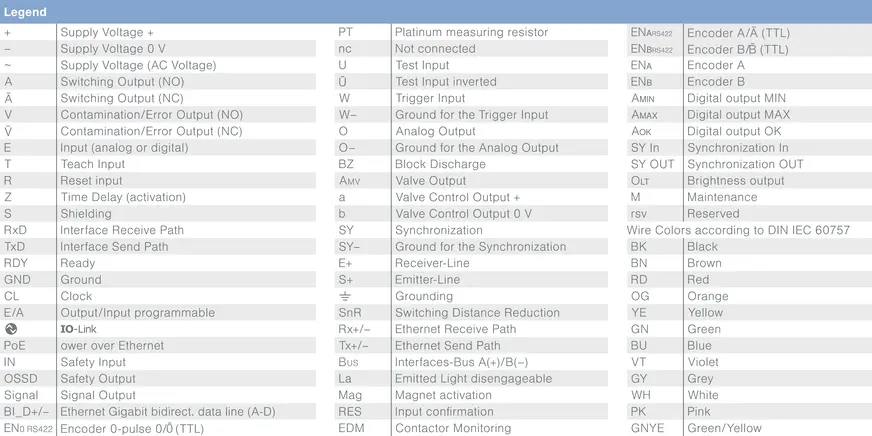
- Wenglor INTT231 Inductive Analysis Module for Extreme Temperature Ranges Connection Diagram-2 (38 KB)
- Wenglor INTT231 Inductive Analysis Module for Extreme Temperature Ranges Ctrl Panel (39 KB)
- Wenglor INTT231 Inductive Analysis Module for Extreme Temperature Ranges Dimensioned Picture (18 KB)
Need Help? Call an engineer at 1-802-880-3123
We're open 8:00 am to 5:30 pm ET